- The Fermentalist
- Posts
- Fermentation, Not Fire, May Have Driven Human Brain Expansion
Fermentation, Not Fire, May Have Driven Human Brain Expansion
A New Theory Suggests Early Hominins Harnessed Microbial Magic for Cognitive Evolution

Manya Kadiwala
February 09, 2025 • Estimated Reading Time: 3 minutes
The evolution of the human brain, particularly its remarkable threefold expansion over millions of years, remains one of the most intriguing puzzles in evolutionary biology. A new theory, called the External Fermentation Hypothesis, proposes that the consumption of naturally fermented foods played a crucial role in this transformation. Researchers suggest that early hominins may have unintentionally harnessed fermentation, leading to increased nutrient absorption, metabolic efficiency, and ultimately, larger brain sizes.
The Role of Fermentation in Evolution
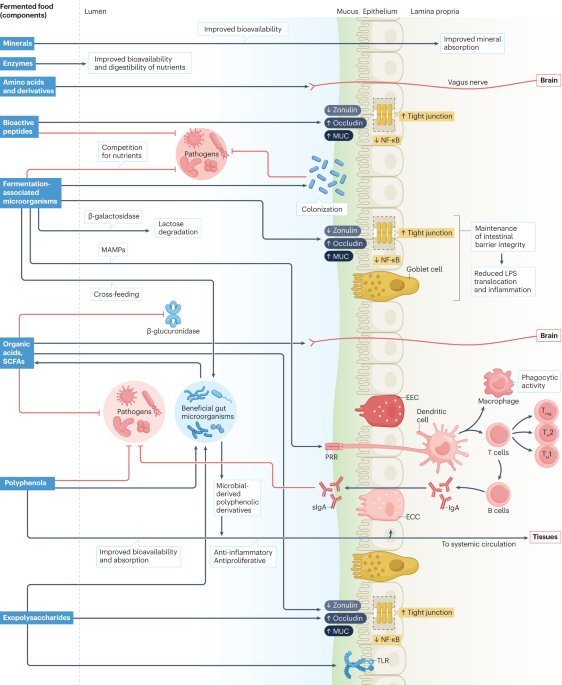
Fermentation is a process in which microorganisms, such as bacteria and yeast, break down food substances to produce simpler compounds. This can happen internally within the gut—known as internal fermentation—or externally, when food undergoes microbial transformation outside the body before consumption.
Internal Fermentation: In the human digestive system, particularly in the colon, beneficial bacteria help break down plant fibers, generating essential nutrients like short-chain fatty acids (SCFAs). These compounds provide additional energy and enhance nutrient absorption.
External Fermentation: In contrast, external fermentation occurs when food is exposed to microbes in the environment before being consumed. This process can improve food preservation, enhance bioavailability of key nutrients, and reduce harmful substances known as anti-nutritional factors (ANFs). Additionally, it introduces probiotic microorganisms that support gut health and immunity.

Why Fermentation Instead of Cooking?
Previous theories on brain expansion have emphasized cooking as a pivotal dietary advancement. The Expensive Tissue Hypothesis argues that a reduction in gut size—necessary for accommodating a larger brain—required dietary shifts that made digestion more efficient. Cooking, which enhances caloric availability, has been a popular explanation. However, controlled fire use is thought to have emerged 1.5 million years ago, while brain expansion began 2.5 million years ago, leaving a significant gap in the timeline.
The External Fermentation Hypothesis provides a compelling alternative: fermentation would have required less cognitive ability to adopt compared to fire-based cooking. Early hominins may have stumbled upon stored food that had undergone fermentation naturally. Over time, they could have recognized its benefits and incorporated it into their diet, leading to metabolic adaptations that supported brain expansion.
Evidence Supporting the Fermentation Hypothesis
Researchers highlight several factors that align with this hypothesis:
Gut Anatomy: The human colon has shrunk by about 74% compared to our primate relatives, indicating a reduced reliance on internal fermentation. This suggests an external source of pre-digested nutrients may have compensated for the loss.
Widespread Fermentation Practices: Fermented foods are found in nearly every human culture, suggesting a deep-rooted evolutionary relationship.
Metabolic and Genetic Adaptations: Future research could investigate genetic markers linked to enhanced fermentation tolerance and gut microbiome shifts in human evolution.

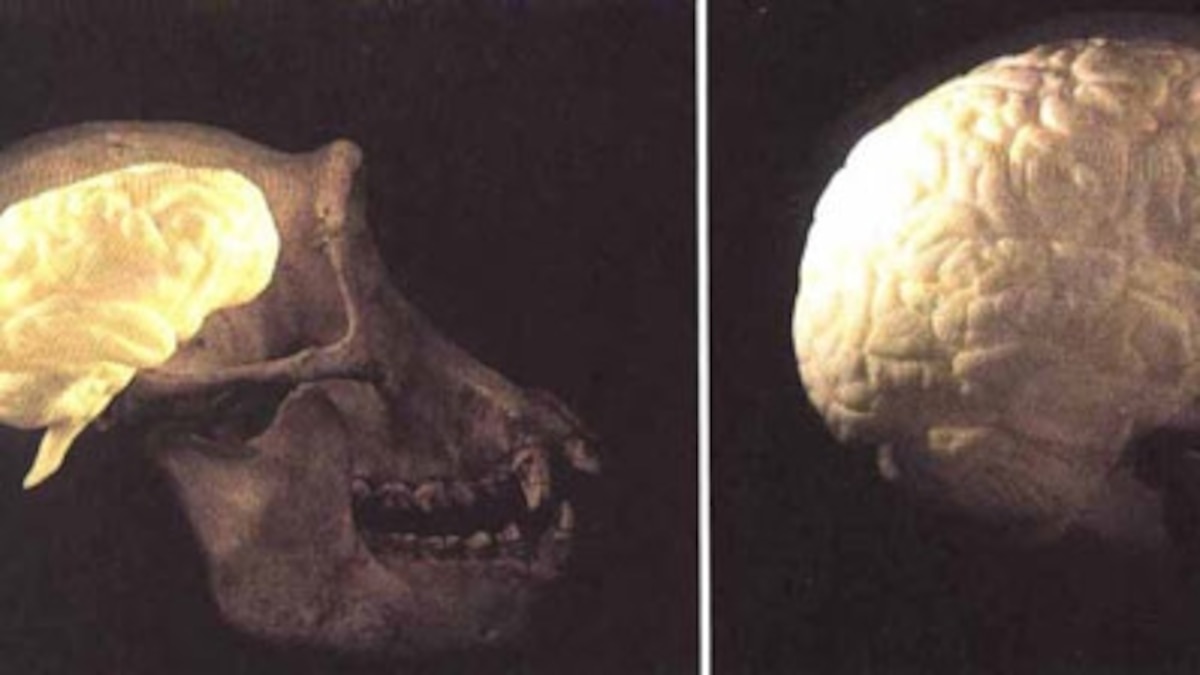
Estimated proportions of major organ mass in a typical 65 kg modern Western human. Left: expected ratios if humans resembled other great apes. Right: actual observed ratios. (Bryant et al., Communications Biology, 2023)
Implications for Modern Health
Beyond evolutionary biology, this hypothesis opens new avenues for exploring the role of fermented foods in human health. Recent studies suggest strong links between gut microbiota, mental health, and immunity. Understanding how fermentation influenced early human nutrition may help guide contemporary dietary recommendations for brain health and disease prevention.
While more research is needed to confirm this theory, the External Fermentation Hypothesis provides a fresh perspective on how dietary adaptations may have shaped the remarkable cognitive abilities of modern humans. Future studies examining genetic, microbiological, and neurobiological evidence could further validate this exciting concept.
The Fermentalist is a reader-supported publication. If you enjoy our content
and want to support cutting-edge discussions in fermentation, biotechnology,
and beyond, consider becoming a free or paid subscriber.
Takeaways
2 takeaways
Rethinking Evolutionary Milestones: If fermentation played a pivotal role in human brain expansion, it challenges the long-held assumption that fire and cooking were the primary catalysts for cognitive evolution. This perspective invites a deeper exploration into how early humans may have unknowingly leveraged microbial ecosystems to fuel their development, reshaping our understanding of dietary innovation in human history.
Harnessing Ancient Wisdom for Future Health: As modern science continues to uncover the profound connection between diet, gut microbiota, and cognitive function, the External Fermentation Hypothesis reinforces the potential benefits of fermented foods in contemporary nutrition. Future research could explore how restoring ancestral dietary patterns might enhance brain health, metabolic efficiency, and overall well-being in the modern age.
Additional Resources

Thanks for reading The Fermentalist! This post is public so feel free to share it.
Reply